Ice storms and spring storms can knock out power in East Texas for hours or days. For most of us that's an inconvenience. If you rely on a CPAP machine, oxygen, insulin that needs the fridge, or a power wheelchair, it can be much more serious. A little planning now makes a big difference later.
Tell your electric company
In Texas, homes where someone depends on electric medical equipment can ask to be listed as a "critical care" or "chronic condition" customer. You'll get warnings before planned outages and extra protection from being disconnected.
- Call the company on your electric bill and ask for the critical care form.
- Have your doctor fill in their part. The form needs a doctor's signature.
- Send it back the way the company asks, and call to make sure they got it.
Being on the list does not mean your power stays on during a storm. You still need a backup plan.
Sign up for the Texas emergency list
The State of Texas Emergency Assistance Registry (STEAR) tells local emergency workers who may need extra help in a disaster. It's free. Register online or dial 2-1-1, and sign up again every year. It doesn't guarantee help, but it puts you on the map.
CPAP machines
- Ask your equipment supplier or the CPAP maker which battery or backup power works with your machine, and whether a car power cord is available.
- Turn off the heated humidifier and heated tube when running on battery. They use most of the power, and the battery lasts much longer without them.
- Test your backup once, for a full night, before you need it.
Oxygen
- Home oxygen machines use a lot of power, too much for most small batteries.
- Ask your oxygen supplier for backup tanks that don't need power, and how long each one lasts at your setting.
- Keep tanks away from flames, including candles, gas stoves and generators.
- If your oxygen will run out before the power comes back, call your supplier, or 911 if you can't breathe well.
Insulin and medicine that needs the fridge
- Keep the fridge closed. A closed fridge stays cold for about 4 hours.
- Insulin can go without the fridge for up to 28 days, according to the FDA, as long as it stays between 59 and 86 degrees. Keep it cool and out of the sun.
- Don't let it freeze. If you use a cooler, don't put insulin right on the ice. Throw away insulin that froze.
- Not sure if a medicine is still good? Call your pharmacist. Other medicines have their own rules.
Backup batteries and power stations
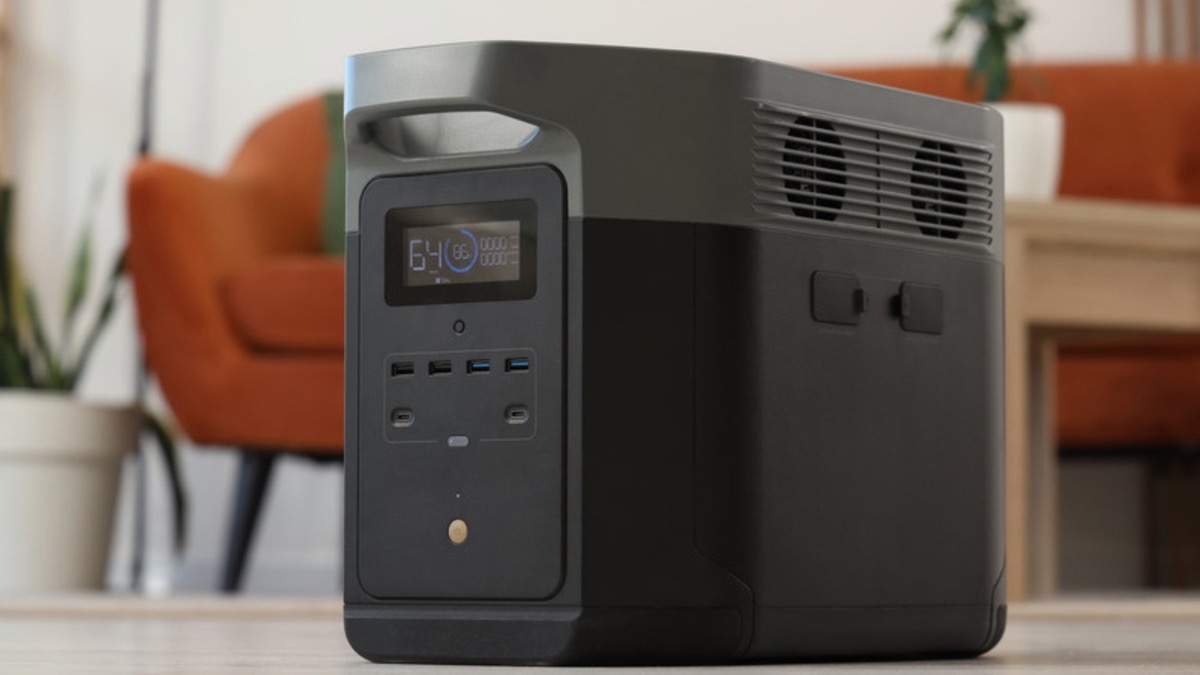
A portable power station is a large rechargeable battery with regular outlets. It's quiet, safe to use indoors, and gives off no fumes, so it's a good fit for a CPAP machine, a phone, or a small medical device. The bigger the battery, the longer it runs.
To see which ones can run your devices, and for how long, try the power station runtime calculator on BuyerSheet. Pick your devices, like a CPAP or a fridge, and it shows which models can run them. BuyerSheet is my other website. It may earn a small commission if you buy through its links, but the calculator is free to use.
Keep it charged. Top it up every few months, and right away when a storm is on the way.
Generators: use them safely
Gas generators make carbon monoxide, a gas you can't see or smell that can kill in minutes.
- Never run a generator inside, including in a garage or carport, even with the door open.
- Keep it at least 20 feet from the house, away from windows, doors and vents.
- Put a battery-powered carbon monoxide alarm near where you sleep.
- If you feel dizzy, sick or weak, get outside into fresh air and call 911.
Keep your phone charged
Your phone is how you'll call for help and get news. Keep a charged battery pack or a car charger on hand, and save battery by turning on power saving:
- iPhone: open Settings, tap Battery, then turn on Low Power Mode.
- Android: open Settings, tap Battery (on a Samsung, Battery and device care, then Battery), then turn on Power saving.
Your storm checklist
- Critical care form sent to your electric company
- Signed up for STEAR (dial 2-1-1)
- Backup battery or power station, charged and tested
- Backup oxygen tanks, if you use oxygen
- A cooler and a few days of medicine
- Phone charger for the car, or a battery pack
- A place to go if the power stays off, like a family member's home, and a ride there
Sources: Texas Division of Emergency Management: STEAR, FDA: Insulin storage in an emergency, CDC: Use a generator safely, USDA: Keep food safe during emergencies.
Still stuck? That’s okay, some things are easier with a hand. Tech Pro, my tech-help business, is happy to help. Call 903-571-5501 or visit techprosolutions.co.